

From the French bois, meaning wood, boiserie embodies a value that goes beyond mere decoration, engaging aesthetics, materiality and tactile perception.
The wood boiseries signed by I Vassalletti, a Tuscan atelier specializing in the design, artisanal production and installation of fine wooden floors and bespoke boiserie, represent a refined synthesis of design culture, craftsmanship and stylistic research.
Wood boiserie is a high-end wall decoration, created through ornamental paneling that clads interior walls with traditional wood materials. The installation of a boiserie has the power to transform any space, even the most contemporary, into an exclusive environment, endowing it with character, depth and identity.
I Vassalletti creations arise from the meeting of ancient Tuscan artisanal values, technology and design experimentation, reinterpreted through sophisticated stylistic choices. The company offers Classic Boiseries, an expression of a rich and structured decorative language, and Contemporary Boiseries, distinguished by inlays, ornamental motifs and modern color palettes.
Wood Boiserie: a Complete Overview
The term boiserie immediately evokes luxury interiors and prestigious residences, yet its true meaning is not always fully understood. Below is a comprehensive overview to better appreciate the origins, evolution and value of this refined wall covering.
Wood Boiserie: History and Origins
Wall paneling in wood has ancient origins and initially arose from functional needs. During the Middle Ages, both rural and noble dwellings featured rooms with very high ceilings that quickly dispersed the heat generated by fireplaces.
To improve living comfort and warm the masonry, walls and ceilings were clad with wooden panels, capable of providing effective thermal insulation. Only later did boiserie also take on a decorative role, evolving into a prestigious architectural element.
French-Style Boiserie: Decorative Opulence
The use of boiserie as an ornamental element flourished in France between the 17th and 18th centuries. At the Palace of Versailles and in noble residences of the period, decorative paneling adorned walls, doors, partitions and built-in furnishings, becoming an integral part of interior architecture.
Friezes, inlays, bas-reliefs and curved lines reached their peak during the reign of Louis XIV, when the decorative repertoire expanded significantly. In later centuries, especially in bourgeois homes, boiseries remained a focal point in reception rooms, while more restrained solutions, such as paneled wainscoting, were adopted in private spaces.
English-Style Wood Boiserie
At the same time, towards the end of the 18th century, English style developed, characterized by a more measured and essential language typical of the Georgian era.
In the collective imagination, boiserie is often associated with the grand libraries of English private clubs, featuring mahogany paneling with dark, lustrous grain. This elegant and disciplined style spread rapidly throughout Europe, particularly influencing Nordic countries.
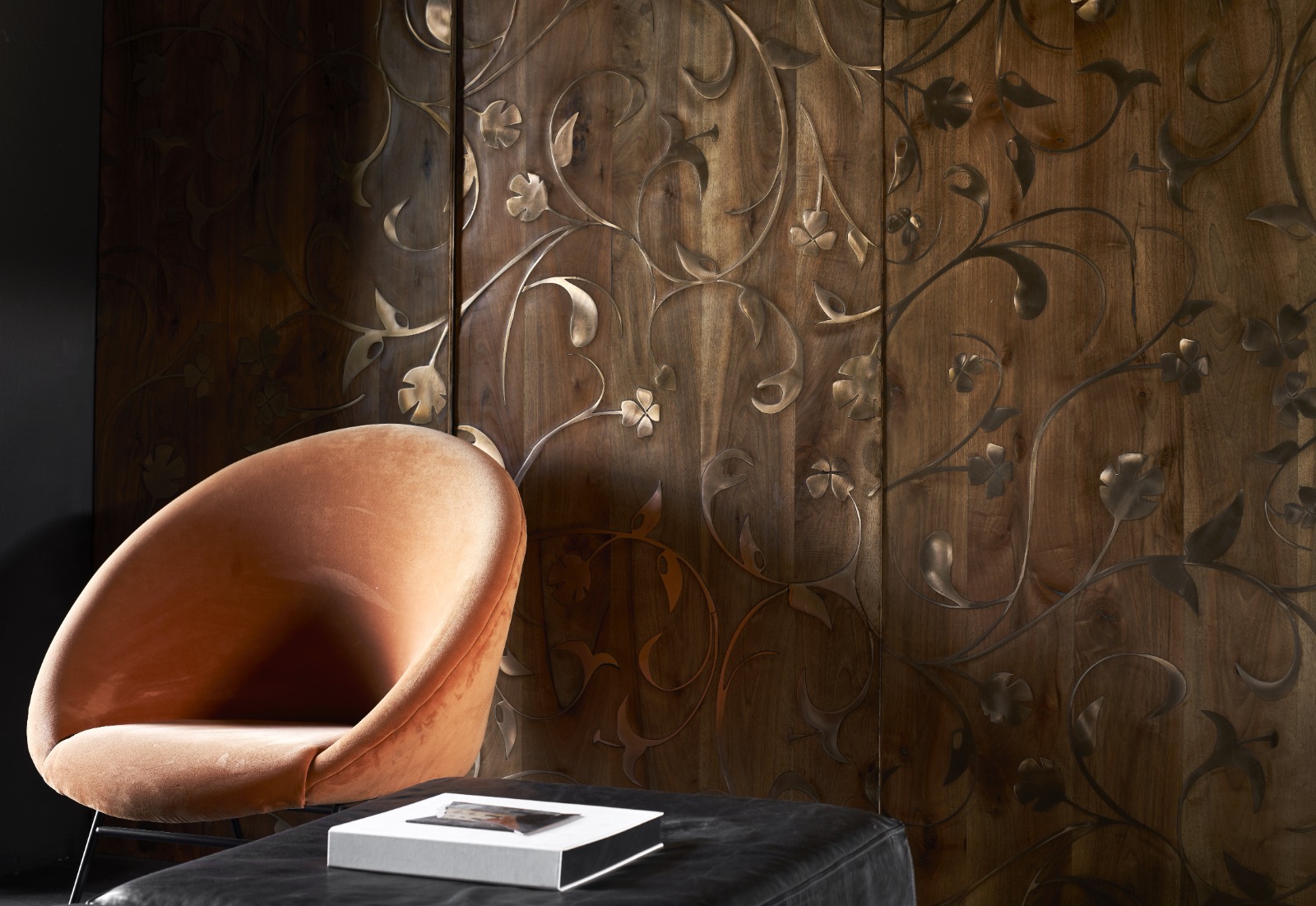
Wood Boiserie: Features and Advantages
Scenographic and elegant, boiserie redefines the way spaces are experienced and completes interiors with strong architectural value. From private residences to historic villas, from executive offices to art galleries, from luxury hotels to high-end retail spaces, wood wall paneling adapts to a wide range of contexts while maintaining a distinctive identity.
A boiserie allows interiors to be renewed without altering their structure and offers numerous advantages:
- enhances interior spaces;
- improves thermal insulation;
- contributes to soundproofing;
- protects and enhances walls;
- defines and differentiates spaces;
- adds depth, intimacy and warmth;
- enables non-invasive renovation interventions.
Wood, a living and highly customizable material, allows spaces to be shaped according to the aesthetic and functional needs of each project. Once installed, boiserie requires no particular maintenance.
Materials
In addition to wood, boiseries can be crafted and enriched with:
- marble;
- metal;
- ceramics and porcelain stoneware;
- natural stone and resins;
- laminate panels;
- MDF;
- plaster;
- bamboo fiber.
Height
The choice of boiserie height is crucial to achieving the desired effect. One may opt for full-height wall coverings, which completely clad the wall and create a uniform architectural presence, or for half-height solutions finished with a closing moulding. The two approaches can also coexist within the same space, resulting in bespoke compositions.
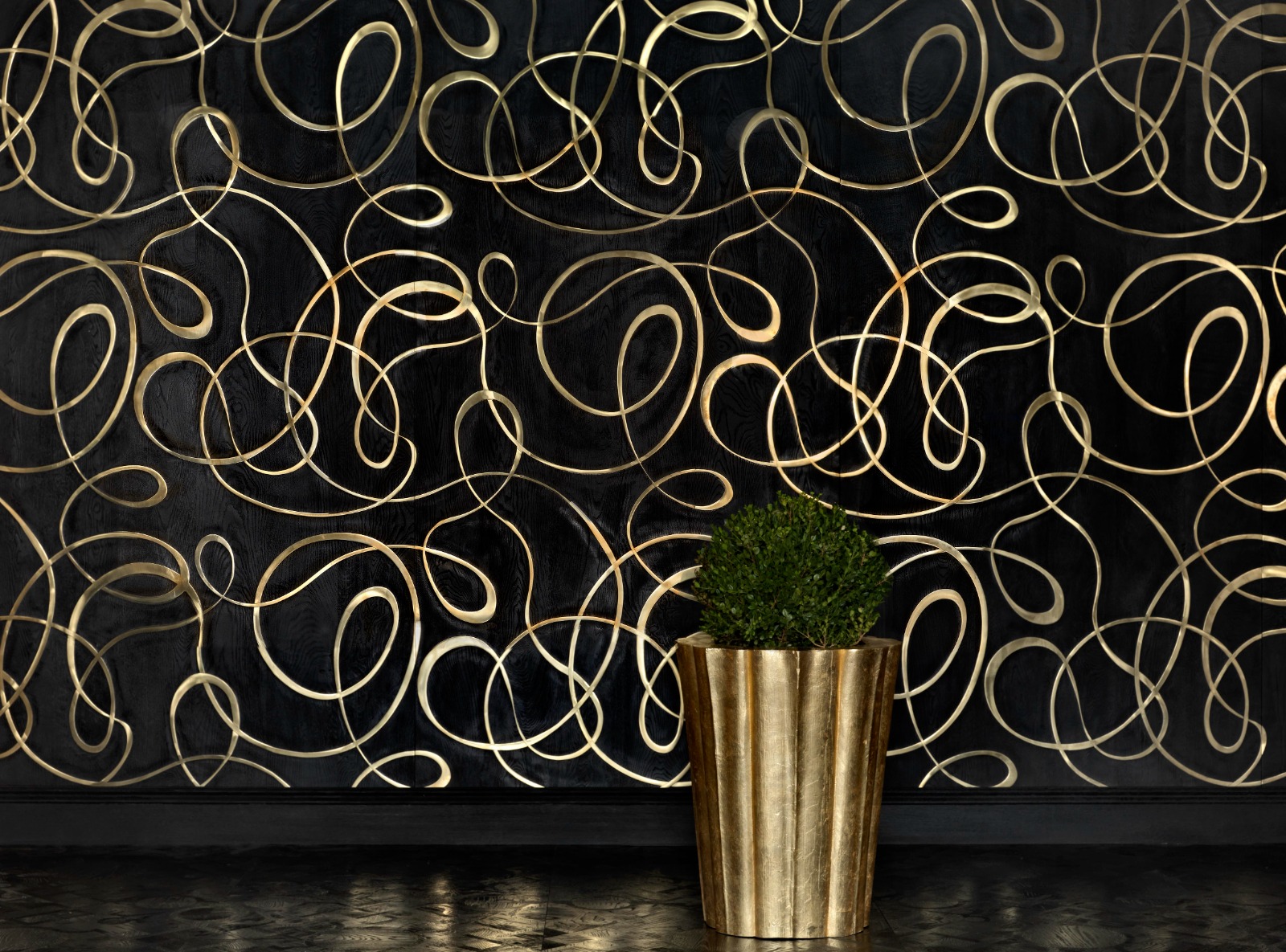
Styles
Over the centuries, different styles have emerged, each characterized by its own decorative language and architectural proportions.
Classic boiserie is distinguished by articulated paneling, mouldings, carvings and ornamental details that recall the historic interiors of palaces and prestigious residences, giving spaces a sense of structured elegance and continuity with tradition.
Contemporary boiserie, on the other hand, interprets wall paneling in a more essential way, favoring clean lines, material surfaces and calibrated geometries. In this case, wood dialogues with modern materials and finishes, becoming a discreet yet strongly distinctive architectural element.
From Consultation to Bespoke Project
Have you considered decorating your home with wood boiserie?
I Vassalletti offers a comprehensive consultancy service, from design to artisanal production and installation. Starting from your idea, each project is developed down to the finest detail and simulated through advanced digital tools, allowing you to preview the final result before installation.
Every boiserie is a unique project, designed to enhance the space and reflect the client’s personal style.
Request a private consultation | Discover the projects